Real-Life Stories: How Quick First Aid Saved a Life in an Office
18 Jun 2025
Mark
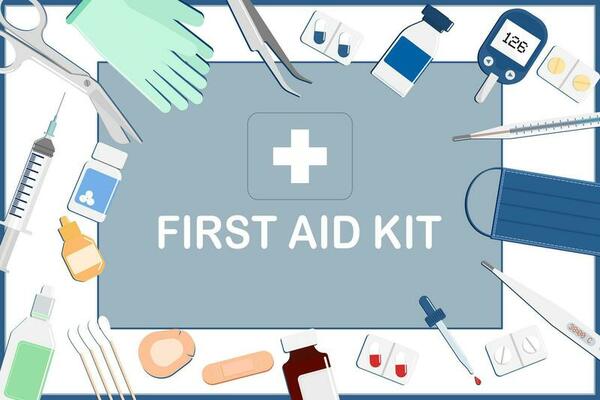
In the fast-paced environment of most offices, emergencies are the last thing on anyone’s mind. Yet accidents and medical incidents can happen at any moment—when we least expect them. That’s why Emergency First Aid at Work training isn’t just a compliance box to tick—it can genuinely save lives.
Story 1: Cardiac Arrest During a Team Meeting
It was a typical Monday morning meeting at a financial services firm in Manchester when James, a 52-year-old team leader, suddenly collapsed mid-sentence. At first, his colleagues thought he had fainted from exhaustion. But when he didn’t respond and showed no signs of breathing, panic set in.
Thankfully, two staff members had recently completed an Emergency First Aid at Work course. One started CPR immediately while the other instructed a colleague to fetch the office AED (Automated External Defibrillator). They kept performing chest compressions until paramedics arrived 7 minutes later.
James survived. Doctors later said the quick CPR and defibrillation were critical in keeping his brain oxygenated. Today, James is back at work—and those trained employees are rightly hailed as heroes.
Story 2: Allergic Reaction in the Break Room
In a London design agency, a junior graphic designer named Amira was enjoying a celebratory team lunch when she suddenly began to struggle with her breathing. Her face became flushed, and she developed hives within minutes. She had unknowingly eaten something containing nuts—triggering a severe allergic reaction.
Luckily, the office first aider, Carla, had just completed her Emergency First Aid at Work training the month before. She recognised the signs of anaphylaxis and acted fast. She helped Amira administer her EpiPen, called 999, and stayed with her, keeping her calm while watching for signs of deterioration.
Thanks to Carla’s calm response and first aid knowledge, Amira was stabilised by the time the ambulance arrived. She has since recovered fully and now always carries her EpiPen.
Story 3: Slips, Falls, and a Serious Head Injury
At a tech startup in Leeds, an employee slipped on a recently mopped office kitchen floor and hit his head against the counter edge. He lost consciousness briefly and started bleeding from the scalp.
The office administrator, although shocked, relied on her Emergency First Aid at Work training. She kept the employee still, controlled the bleeding with clean cloths, and ensured his airway remained clear. Emergency services arrived, praised the quick response, and transported him safely to hospital for further checks.
This situation could have worsened without the right immediate response. Instead, the trained staff’s action helped prevent serious complications from a head injury.
Why Emergency First Aid at Work Matters
These stories highlight one crucial point: emergencies don’t only happen in high-risk industries. Offices may seem safe, but cardiac arrests, allergic reactions, falls, and other incidents can—and do—occur.
Emergency First Aid at Work training equips staff with the knowledge and confidence to:
- Perform CPR and use an AED
- Recognise signs of medical distress (e.g. stroke, seizure, or anaphylaxis)
- Respond to choking, bleeding, burns, or unconsciousness
- Keep calm and take charge until professional help arrives
The difference between panic and action can literally be the difference between life and death.
A Legal and Moral Obligation
Under UK health and safety laws, all employers must provide adequate first aid arrangements in the workplace. For most office settings, having trained staff in Emergency First Aid at Work is not only best practice—it’s often a legal requirement.
But beyond the legal duty, there’s a moral one too. Knowing someone in your team is trained and prepared gives peace of mind to everyone in the organisation.
Final Thoughts
You never know when you might be the person others rely on in a crisis. These real-life stories show just how powerful and important first aid skills are in everyday workplace settings.
Whether you’re a small business, corporate firm, or public service, investing in Emergency First Aid at Work training is investing in the safety and wellbeing of your people. It’s a decision that can change—or even save—a life.