The Importance of Neurodiversity Awareness in Healthcare: Enhancing Outcomes
07 Oct 2025
MAK
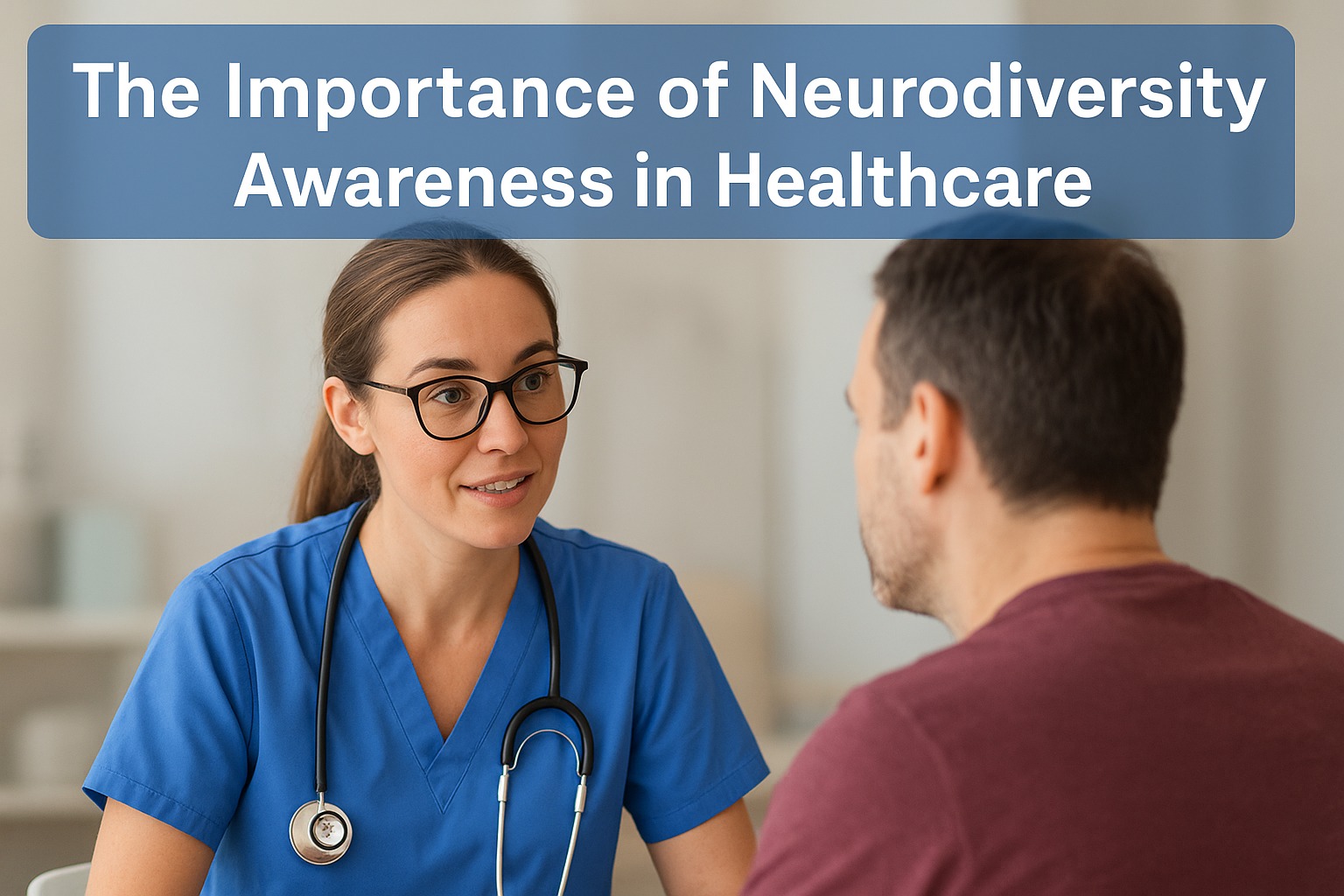
In today’s rapidly evolving healthcare environment, understanding neurodiversity is becoming increasingly vital. As awareness of conditions such as autism, ADHD awareness, dyslexia, dyspraxia, and Tourette’s syndrome continues to grow, healthcare professionals are recognising the importance of providing care that truly reflects individual needs. Neurodiversity awareness is not just a social consideration—it is a critical component of delivering effective, person-centred care that enhances outcomes for both patients and professionals.
Understanding Neurodiversity in a Healthcare Context
The term neurodiversity describes the natural variations in how people think, learn, and process information. These differences are part of human diversity, not deficits. For healthcare professionals, embracing this concept means acknowledging that each individual’s brain works uniquely and that care practices must adapt accordingly.
Historically, neurodevelopmental conditions were often viewed through a purely medical lens, focusing on deficits or “disorders.” However, the modern neurodiversity movement encourages a more inclusive approach—one that values the strengths and perspectives of neurodivergent individuals. In healthcare settings, this shift is vital for improving patient experience, promoting equality, and reducing barriers to accessing support.
Why Neurodiversity Awareness Matters in Healthcare
When healthcare staff understand neurodiversity, they are better equipped to communicate, assess, and support patients effectively. For example, someone with autism may find busy hospital environments overwhelming due to sensory sensitivities. Another patient with ADHD might struggle to follow lengthy instructions or waiting times. Without proper awareness, these challenges can lead to misunderstandings, miscommunication, and even poor treatment adherence.
Raising awareness ensures that patients feel respected and understood. It helps staff adjust their communication styles—using plain language, visual aids, or alternative methods of engagement where needed. This not only improves patient satisfaction but also leads to more accurate assessments and better long-term outcomes.
For healthcare providers, understanding neurodiversity can also improve team dynamics and workplace culture. Many professionals themselves may be neurodivergent and benefit from inclusive practices, flexible working environments, and supportive leadership. By valuing neurodiversity within the workforce, healthcare organisations can foster creativity, empathy, and innovative problem-solving.
The Impact on Patient Outcomes
Research consistently shows that when care is tailored to individual needs, outcomes improve significantly. Neurodivergent patients who feel listened to are more likely to engage in their treatment plans and attend follow-up appointments. They are also less likely to experience anxiety or distrust toward healthcare professionals.
Small adjustments such as offering quiet waiting areas, allowing extra appointment time, or providing written summaries can make an enormous difference. These adaptations demonstrate respect for the patient’s experience and reinforce trust—a key factor in achieving positive health results.
Moreover, neurodiversity awareness supports the broader goals of equality, diversity, and inclusion in healthcare. It ensures that systems are accessible to everyone and that no one is disadvantaged because of neurological differences.
Building Awareness Through Education and Training
The most effective way to embed neurodiversity awareness across healthcare services is through targeted education and ongoing professional development. Structured learning helps staff understand not only the theory behind neurodiversity but also how to apply this knowledge in practice.
High-quality courses can cover essential areas such as communication strategies, sensory sensitivities, reasonable adjustments, and supporting neurodivergent colleagues. Interactive, scenario-based learning allows participants to explore real-world situations and build confidence in responding appropriately.
For organisations, investing in neurodiversity awareness training demonstrates a strong commitment to equality and patient-centred care. It also aligns with professional standards and regulatory requirements, helping ensure compliance while enhancing the overall quality of service.
Creating an Inclusive Culture
True inclusion goes beyond awareness—it requires ongoing reflection and action. Healthcare leaders should encourage open discussions, provide resources, and review policies to ensure they support both neurodivergent staff and patients. Simple steps like offering sensory-friendly environments, using inclusive communication tools, and promoting understanding across teams can have a lasting impact.
Ultimately, when healthcare services embrace neurodiversity, they become more compassionate, efficient, and responsive. Every patient deserves to feel safe and valued, and every professional deserves an environment that recognises their unique abilities. By integrating neurodiversity awareness into daily practice, the healthcare sector can move closer to achieving these goals.
Final Thoughts
Neurodiversity awareness is no longer optional—it is essential for modern healthcare. Recognising and respecting neurological differences allows services to deliver care that is equitable, effective, and truly person-centred. As awareness continues to grow, healthcare organisations have an incredible opportunity to lead the way in inclusion and innovation.
By fostering understanding, providing training, and implementing practical adjustments, the sector can enhance both patient experiences and clinical outcomes. Embracing neurodiversity is not just about meeting standards; it’s about creating a healthcare system that works better for everyone.