The Importance of Infection Control in Health and Social Care: Safeguarding Lives and Promoting Well-being
21 May 2024
Sud
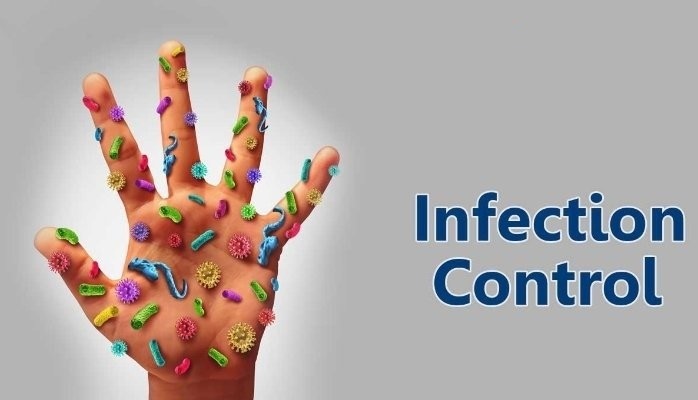
Infection control is an essential component of health and social care, saving lives and improving the well-being of patients, residents, and healthcare personnel. Effective infection control measures reduce the transmission of infectious diseases, maintaining a safe and healthy environment for all. This holistic approach not only protects vulnerable people, but also improves the overall quality of care given. Many healthcare professionals strengthen their knowledge through infection prevention and control training to ensure safe and hygienic care environments.
Understanding Infection Control
Infection control involves a set of practices and procedures designed to prevent the transmission of infections within healthcare settings. These practices are essential in hospitals, nursing homes, clinics, and any environment where health and social care are provided. The goal is to minimize the risk of infection to both patients and healthcare workers by employing strategies that reduce the potential for disease spread. Learning Connect offers CPD and Skills for Care accredited courses on how to prevent infection control in the health and social care sector.
Key Components of Infection Control
1. Hand Hygiene: One of the simplest yet most effective ways to prevent infections is through proper hand hygiene. Regular and thorough hand washing with soap and water or using an alcohol-based hand sanitizer can significantly reduce the transmission of pathogens.
2. Personal Protective Equipment (PPE): The use of PPE, such as gloves, masks, gowns, and eye protection, is crucial in protecting healthcare workers and patients from infectious agents. Proper use and disposal of PPE are essential to maintain a sterile environment.
3. Environmental Cleaning: Regular cleaning and disinfection of surfaces and equipment help eliminate potential sources of infection. High-touch areas, such as doorknobs, bed rails, and medical devices, require particular attention.
4. Sterilization of Instruments: Medical instruments and equipment must be properly sterilized to prevent contamination. Autoclaves and other sterilization methods are used to ensure that instruments are free of infectious agents.
5. Vaccinations: Vaccinations are a key preventive measure in infection control. Ensuring that both patients and healthcare workers are vaccinated against common infectious diseases helps reduce the risk of outbreaks.
6. Isolation Procedures: Isolating patients with contagious infections prevents the spread of diseases to others. Isolation can involve physical separation, dedicated staff, and specialized equipment to manage infected individuals.
The Impact of Effective Infection Control
Implementing robust infection control measures has far-reaching benefits for both healthcare providers and recipients:
1. Protecting Vulnerable Populations: Many individuals in health and social care settings are particularly vulnerable to infections due to underlying health conditions or weakened immune systems. Effective infection control practices protect these high-risk groups from potentially life-threatening illnesses.
2. Reducing Healthcare-Associated Infections (HAIs): HAIs are infections that patients acquire while receiving treatment for other conditions. These infections can lead to severe complications, prolonged hospital stays, and increased healthcare costs. By adhering to stringent infection control protocols, the incidence of HAIs can be significantly reduced.
3. Enhancing Patient Trust and Confidence: Patients and their families are more likely to trust healthcare providers who demonstrate a commitment to maintaining a safe and hygienic environment. This trust is crucial for fostering positive patient-provider relationships and encouraging adherence to treatment plans.
4. Improving Staff Safety and Morale: Healthcare workers are at the forefront of infection risk. Providing them with the necessary tools and training for effective infection control not only protects their health but also boosts their morale and job satisfaction. A safe working environment is essential for retaining skilled professionals.
5. Ensuring Regulatory Compliance: Adhering to national and international infection control standards is necessary for healthcare facilities to remain compliant with regulations. Compliance not only avoids legal repercussions but also demonstrates a commitment to quality care.
Infection control is a cornerstone of health and social care, essential for protecting lives and promoting well-being. By implementing comprehensive infection control measures, healthcare providers can prevent the spread of infectious diseases, safeguard vulnerable populations, and create a safer environment for both patients and staff. Continuous education, adherence to best practices, and a commitment to hygiene and safety are critical for achieving these goals. Investing in infection control is an investment in the health and well-being of our communities, ensuring that care is delivered in the safest possible manner.